Millions of Ukrainians Abroad: Why State Support Faces a Lack of a Single Coordinator
Despite the launch of new state platforms for Ukrainians abroad, experts and community leaders point to challenges with interagency coordination.
 👥Society
Photo: Ukrainska Pravda
Key points
- New platforms for Ukrainians abroad highlight the need for centralized coordination
- Responsibilities divided among multiple ministries create administrative bottlenecks
- Government strategies aim to unite diaspora efforts, though broader systemic integration is needed
The interaction between the Ukrainian state and millions of citizens living abroad remains a complex and pressing issue. Recently, government agencies have introduced various tools and forums to maintain ties with the diaspora, alongside new digital platforms. However, experts and public figures note that the dispersion of responsibilities across multiple institutions complicates effective communication.
Who is Responsible for Global Ukrainians?
Insights from international community workshops reveal a recurring concern: there is no single governmental entity overseeing the needs of global Ukrainians comprehensively. Citizens abroad — from Saturday school teachers to parents of teenagers needing passport services — frequently find their inquiries falling between the cracks of several ministries, including the Ministry of Social Policy, the Ministry of Foreign Affairs, the Ministry of Education, and the Ministry of Digital Transformation.
For instance, addressing specific practical challenges, such as issuing first-time identity documents for minors living abroad without access to standard domestic digital verification tools, often requires direct individual appeals to ministry leadership rather than relying on a streamlined bureaucratic procedure.
New Initiatives and Ongoing Challenges
The government is attempting to streamline these efforts through the Unity Network coordinated by the Ministry of Social Policy and the development of new retention strategies. Nevertheless, analysts point out that these initiatives often have narrow mandates focused primarily on return policies, while education, identity preservation, and consular services remain under separate jurisdictions, highlighting the need for a unified state approach.
Source Ukrainska Pravda — pravda.com.ua/columns/2026/11/19/8063597/ ↗
Read next
 ⚽Sport
Artem Dovbyk considers move to Spanish club Valencia
Ukrainian striker Artem Dovbyk is reportedly ready to change clubs due to a lack of playing time in the Italian league.
 🏛️Politics
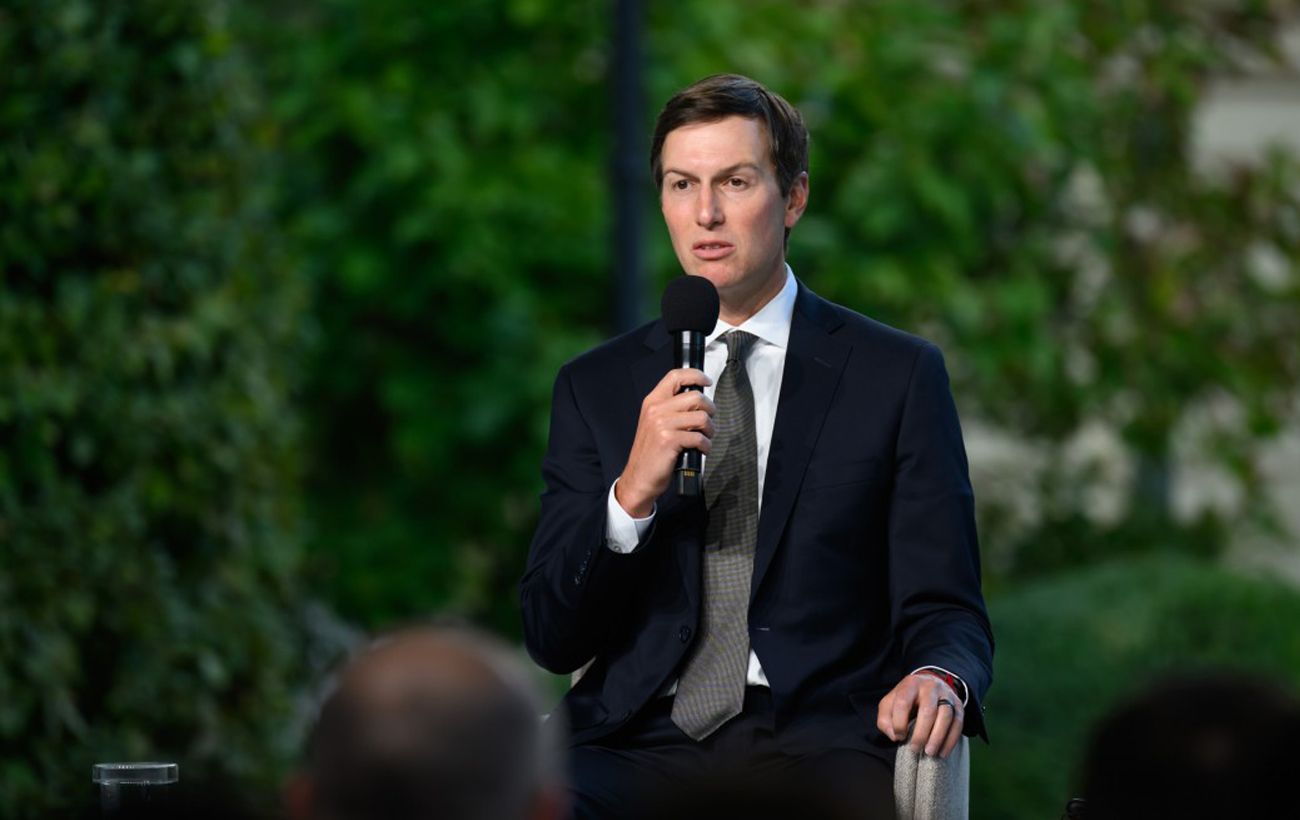
Jared Kushner outlines conditions for providing Ukraine with NATO-style security guarantees
US Special Envoy Jared Kushner announced that the US is working on security mechanisms for Ukraine, potentially mirroring NATO's Article 5.
 🎓Education
Geographical Myth: Why Everest Is Not the Highest Mountain on Earth
While Everest is considered the highest peak above sea level, the true record holder in terms of absolute height is the Hawaiian volcano Mauna Kea.
 💼Economy
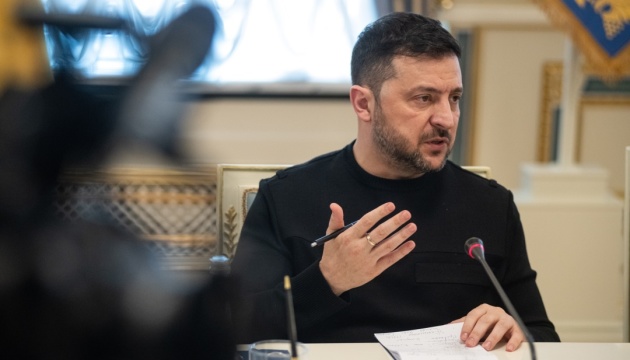
Enemy attempts to cut off key Ukrainian regions from energy sources
President Volodymyr Zelensky reported on targeted Russian strikes against energy infrastructure in the Odesa and Dnipropetrovsk regions. Repair crews are working around t…
 🇺🇦Ukraine
Jared Kushner outlines conditions for Trump to support security guarantees for Ukraine
Jared Kushner, a special envoy for Donald Trump, stated that the U.S. could consider security guarantees for Ukraine similar to NATO's Article 5 if they align with nation…
Another Russian Attack on Civilian Infrastructure: Impact in Kharkiv and Kyiv Region
Russian forces struck Kharkiv, damaging a kindergarten and residential buildings. Meanwhile, rescue operations continue in the Kyiv region following a drone strike on an …