The Secret to Canned Sardine Nutrition: Why You Should Not Remove the Bones
Nutritionists highlight that the soft bones in canned sardines are a primary source of calcium, often mistakenly discarded during meal preparation.
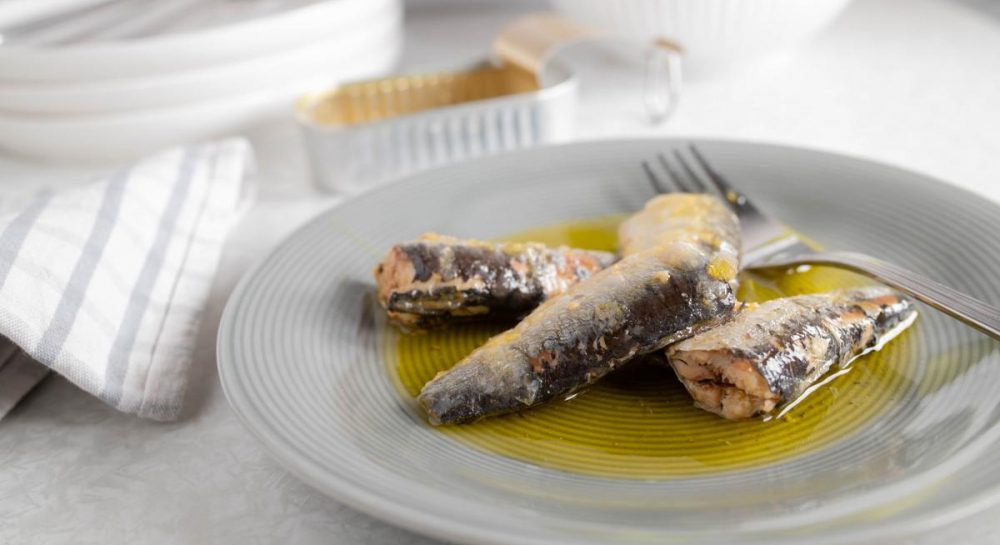 🏙️City
Photo: UNIAN
Key points
- Soft sardine bones contain a high concentration of calcium
- Sardine fillets have lower nutritional value due to the absence of bones
- The canning process makes fish bones safe for consumption
Many people are accustomed to preparing sandwiches with canned sardines, automatically removing the bones before consumption. However, experts point out that these small elements contain the highest concentration of calcium, which is essential for skeletal health.
Why you should keep the bones
During the canning process, sardine bones become soft enough to be consumed without any discomfort. By removing them, consumers lose a significant portion of the product's mineral value. According to the French National Institute of Health, whole sardines with bones are a valuable source of calcium, unlike fillets, which have a more uniform texture but a less nutritious profile.
If a bone remains hard or sharp, it is better not to consume it, as the nutritional value is not worth the risk of injury.
It is important to remember that the choice between whole fish and fillets significantly affects the overall nutrient composition of your diet. Beyond fish, there are other unexpected sources of minerals, such as bay leaves, which contain a high concentration of calcium and antioxidants.
Source UNIAN — unian.ua/curiosities/skilki-kalciyu-v-sardinah-yak-otrimati-maksima… ↗
Read next
 🛡️Security
Russian Corvette 'Merkury' Reported Damaged in Libya
According to the Associated Press, a Russian warship in the port of Benghazi may have been targeted by Ukrainian maritime drones.
 🛡️Security
Russia tests NATO defense algorithms through provocations in neighbor airspace
Military analysts interpret Russian air incursions into Alliance territory as a method of probing defenses and testing the readiness of partners.
 🩺Health
Scientists revive 40,000-year-old bacteria from permafrost: climate implications
Researchers from the University of Colorado have demonstrated that microorganisms frozen for millennia can reactivate, posing potential risks for global carbon levels.
Ukraine to Launch Centralized Digital Platform for Utility Service Complaints
The government is developing a new digital tool to report outages in electricity, heating, and water supply to improve response times.
 🎭Culture & Sport
Ukrainian gardener grows a 350-kilogram pumpkin
A resident of the Cherkasy region grew a record-breaking pumpkin but opted against official registration, choosing instead to share the harvest with the community.
 🇺🇦Ukraine
US Director of National Intelligence: Putin is not America's friend regarding Ukraine
Jay Clayton clarified that US intelligence does not view Vladimir Putin as a friend, distinguishing diplomatic rhetoric from the reality of the war in Ukraine.